Face Primer for Dry Skin vs Oily Skin: How to Choose the Right One

Dry skin needs a primer that adds water and holds onto it, with a creamy texture and a dewy finish. Oily skin needs a primer that manages oil, with a light gel texture and a soft matte finish. Almost every primer regret comes from mixing those two up. Let's walk through both choices the way a makeup artist would.
Picture two clients in a makeup chair, back to back, at 7 a.m. Client One's cheeks are flaking before the foundation bottle is even open. Client Two is already glowing, and not in the good way. Same artist, same kit, two completely different primers. Swap them, and both faces fall apart by lunch.
Dry skin needs a primer that adds water and holds onto it, with a creamy texture and a dewy finish. Oily skin needs a primer that manages oil, with a light gel texture and a soft matte finish. Almost every primer regret comes from mixing those two up. Let's walk through both choices the way a makeup artist would.
|
Key Summary
|
Why Do Dry and Oily Skin Need Opposite Primers?
A primer has one big job: helping your makeup last. Celebrity makeup artist Nydia Figueroa told Marie Claire she thinks of it as double-sided tape that sits between your skincare and your foundation. The catch is that dry and oily skin ruin makeup in opposite ways. Dry skin makes foundation cling to flakes. Oily skin makes it slide right off. That's why makeup artist Ehlie Luna says there's no single primer that works for everyone.
Does Dry Skin Need Primer?
Dry skin is low in both oil and water, so foundation grabs every rough patch and settles into fine lines. Within a few hours, it can look cakey, tight, and dull. A primer for dry skin has to put moisture back and keep it there.
That second part matters more than people think. Humectants like glycerin and hyaluronic acid pull water into the skin, but a dermatology review explains that they can also let that water escape unless something seals it in. That's why the best dry-skin primers pair humectants with softening emollients.
Does Oily Skin Need Primer?
Oily skin makes extra sebum, and that oil breaks down foundation fast. Shine shows up on the forehead, nose, and chin, and your base starts to slip. Still, oily skin isn't skin that needs zero moisture. The American Academy of Dermatology advises moisturizing oily skin and choosing oil-free, water-based makeup, with matte formulas to cut shine. A primer for oily skin keeps things light, hydrated, and grippy instead of greasy.
How to Figure Out Which Skin Type You Have

Is it really the product’s fault if you don’t know what you have to work with? You need to know your skin type, not just so that you can choose the right primer, but also so you can choose the correct makeup and the right skincare routine.
The Bare Face Test
Wash your face with a gentle cleanser, pat it dry, and put nothing on it. Wait about an hour, then take a good look in natural light.
- Tight, rough, or flaky all over means you're in the dry chair.
- Shiny everywhere, with oil on a blotting sheet, means you're in the oily chair.
- A shiny T-zone with tight cheeks means you're sitting in both chairs at once.
- Comfortable and fairly even means normal skin, so congratulations, you get to pick by finish.
Reading Your Skin Through the Seasons
Your skin type isn't carved in stone. One study tracked 100 men through summer and winter and found sebum levels were higher in summer, while hydration shifted from season to season too. In real life, that means the primer that worked in July might feel too matte by January. Another thing that might trigger a change is hormones. Redo the bare face test whenever the weather turns or right after a change in your health.
The Side-by-Side Primer Breakdown
Here's where you stop guessing and start reading labels. Think of this as your cheat sheet for the drugstore aisle.
Ingredients to Look For
For dry skin, celebrity makeup artist Elizabeth Seropian told Who What Wear to look for hyaluronic acid and botanical oils, plus a dewy or luminous finish. For oily skin, cosmetic chemist Ginger King pointed Allure readers toward oil-absorbing cellulose and niacinamide.
Niacinamide has real research behind it. In one study, a 2% niacinamide moisturizer lowered sebum production in a Japanese group within four weeks and reduced surface oil in a U.S. group over six weeks.
|
What It Does |
Dry Skin Wants |
Oily Skin Wants |
|
Pulls in water |
Hyaluronic acid, glycerin |
Light humectants like glycerin |
|
Softens and seals |
Squalane, ceramides, botanical oils |
Very light emollients, used sparingly |
|
Controls oil |
Not needed |
Niacinamide, oil-absorbing cellulose |
|
Smooths texture |
Creamy, cushiony bases |
Blurring gel film-formers |
|
Label words to spot |
Hydrating, dewy, luminous |
Oil-free, noncomedogenic, matte |
Ingredients to Skip
Seropian warns that drying alcohol and fragrance can strip moisture from dry skin. She also says heavily mattifying, silicone-based formulas may not be the best match for a very dry face. Oily skin has its own red flags. The AAD cautions that harsh, irritating products can make oily skin produce even more oil, so stripping it bone-dry tends to backfire.
|
Ingredient or Feature |
Dry Skin Verdict |
Oily Skin Verdict |
|
Drying alcohol high on the list |
Skip it |
Skip it; it can irritate |
|
Added fragrance |
Skip it |
Fine if your skin isn't sensitive |
|
Heavy oils and butters |
Fine in small amounts |
Skip it |
|
Strong mattifying powders |
Skip it; flakes show more |
Welcome on the T-zone |
|
Shimmer or glow pigments |
Lovely for radiance |
Skip it; glow turns into grease |
Texture Differences You Can Actually Feel
Texture tells you almost as much as the ingredient list does. A makeup artist who spoke to TODAY sums it up simply: oily skin wants a primer that soaks up extra oil and dries matte, while dry skin wants one that adds moisture. One more pro tip from Figueroa: a silicone-based primer under a water-based foundation can separate, so check that your base and primer get along.
Dry Skin Textures
Look for milky lotions, soft creams, and balms that feel cushiony going on. They should leave a satin or dewy finish, never a tight one. Press them in with warm fingertips so they melt into the skin.
Oily Skin Textures
Look for thin fluids and light gels that sink in fast and dry down to a velvety, soft-matte feel. If your face still feels slick a minute later, that primer isn't the one.
Primer Buying Mistakes Makeup Artists See All the Time
Primer problems? Rule out these common rookie mistakes.
Chasing Dewy on an Already Shiny Face
A luminous primer looks gorgeous in the bottle. On oily skin, though, it adds shine on top of shine, and by noon that glow reads as grease. Save radiance for the high points of your cheeks and keep the T-zone matte.
Mattifying Skin That Is Begging for Water
This is the reverse mistake. A heavy matte primer on dry skin soaks up what little moisture you have, so every flake suddenly stands out. Your foundation looks patchy, and you'll probably blame the foundation.
Treating Primer Like a Moisturizer Replacement
Primer sits on top of your skincare. It doesn't do the job of skincare. Luna told Marie Claire that great skin prep is what helps makeup look smooth in the first place. Moisturize first, let it absorb, then prime with a small amount.
What If Your Face Is Both Clients at Once
Plenty of people have an oily T-zone and dry cheeks, which makes picking one primer feel impossible. Luna's fix is to cocktail primers on different areas of the face, according to Marie Claire. You have two good routes here.
Zone Priming Two Formulas
Pat a mattifying primer across your forehead, nose, and chin. Then press a hydrating one onto your cheeks and anywhere that feels tight. Keep both layers thin, and give them a minute to set before foundation goes on.
When One Balancing Gel Does the Job
If your oiliness is mild or changes with the seasons, one lightweight gel that pairs humectants with oil control can cover the whole face. Look for an alcohol-free formula that hydrates, blurs, and keeps shine in check without feeling heavy. Fewer bottles, same result.
Prep for the Skin You Have, Not the Skin on the Ad
The right primer starts with an honest look in the mirror. Dry skin wants moisture with staying power. Oily skin wants balance without stripping. Combination skin wants a bit of both. Read the label, feel the texture, and match the formula to the face you actually have today. Your foundation will thank you by 5 p.m.
Build Your Base With HAYA Beauty
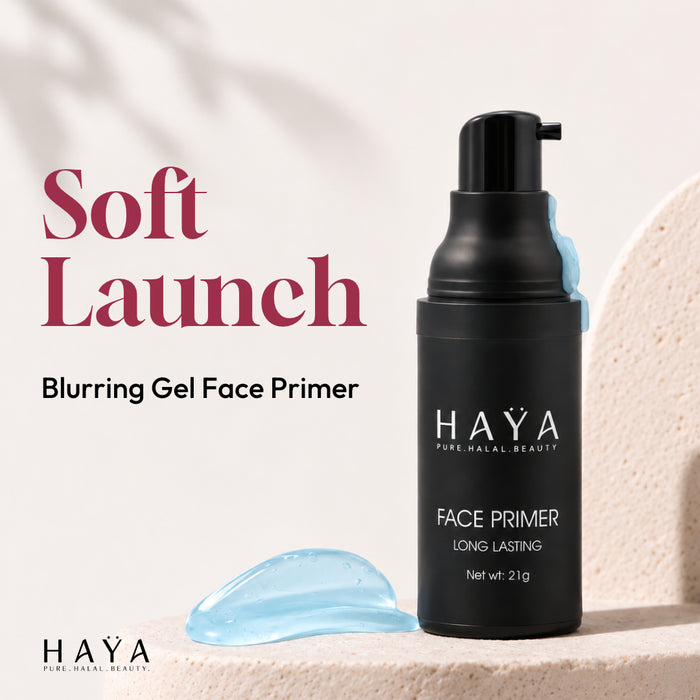
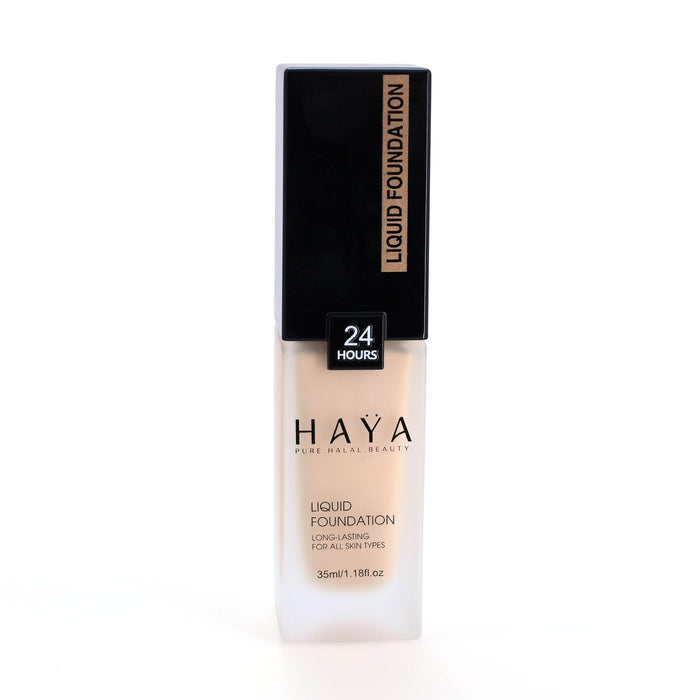
If your skin can't pick a side, HAYA Beauty's Soft Launch face primer was made for that in-between. It's a lightweight blurring gel that pairs glycerin and okra extract with oil control, so it softens dry patches while keeping shine down. It's alcohol-free, vegan, cruelty-free, and halal-certified too. Whether you came looking for a hydrating primer for dry skin or a mattifying primer for an oily T-zone, this one covers both. Layer HAYA's liquid foundation and concealer on top for a base that actually lasts.
Frequently Asked Questions
Can I wear primer without foundation?
Yes. A blurring primer on its own smooths the look of pores and texture on no-makeup days.
How long should I wait before applying foundation?
Give it about 30 to 60 seconds to set. Rushing straight in is a common cause of patchy, streaky foundation.
Does primer go before or after sunscreen?
After. Sunscreen is the last step of skincare, and primer is the first step of makeup.
Is a gripping primer the same as a mattifying primer?
Not quite. Gripping primers feel tacky so makeup sticks, but they don't always control oil the way a mattifying formula does.
Why does my primer pill or ball up?
Usually it's too much product or skincare that hasn't absorbed yet. Start with a pea-sized amount and wait a minute after moisturizer.
Sources
- Do the Best Primers Even Make a Difference? - A Marie Claire article on how primers work and if they are actually worth the investment
- Moisturizers: The Slippery Road - An Indian Journal of Dermatology review on moisturisers, how they work, what ingredients they contain, and how they should be used.
- How to control oily skin - An American Academy of Dermatology blog on how to deal with oily skin.
- A study on seasonal variation of skin parameters in Korean males - An International Journal of Cosmetic Science study on skin variation across the seasons.
- Dry Skin? Don't Apply Your Foundation Without One of These Hydrating Primers - A Who What Wear article on how hydrating primers work to prep dry skin for makeup.
- 15 Best Primers for Oily Skin to Minimize Mid-Day Sheen - An Allure article on how mattifying primers prevent makeup from getting oily.
- The effect of 2% niacinamide on facial sebum production - A Journal of Cosmetic and Laser Therapy study on how niacinamide affects facial oilyness over time.
- Makeup Artists Reveal the Primers That Create the Smoothest, Most Flawless Base - A TODAY article on how primers work to reduce pores, fine lines, and textures.