Liquid Concealer 101: How to Conceal Dark Circles, Acne & Redness

Dark circles, breakouts, and redness are three different cases, and each needs its own shade, tool, and technique. Spot the culprit, pick the fix, and close the case before your first coffee.
Concealer has one job, and somehow it's the product most of us get wrong. Too light, too thick, swiped on like cake frosting, and suddenly your no-makeup look is giving reverse raccoon. The good news? The product isn't the problem. The plan is.
Dark circles, breakouts, and redness are three different cases, and each needs its own shade, tool, and technique. Spot the culprit, pick the fix, and close the case before your first coffee.
|
Key Summary
|
How Do You Use Liquid Concealer for Dark Circles, Acne and Redness?
Not the same way. To use liquid concealer on dark circles, cancel out the blue or purple with a peach or orange tone, then brighten. For acne, choose a shade that matches your skin exactly and tap it right onto the spot. For redness, neutralize with green and keep the coverage sheer.
Celebrity makeup artist Samantha Lau told Who What Wear that using one concealer for everything is among the most common mistakes she sees. Different problems, different playbooks.
Why One Shade Cannot Cover It All
Each concern hides a different color underneath. Under-eye shadows lean blue, purple, or brown; breakouts are raised and red, and redness spreads like a flush. Use one light, creamy concealer on all three, and your under-eyes look great while every pimple gets a spotlight.
Dark Circles vs Acne vs Redness at a Glance
Here's your cheat sheet before we crack each case.
|
Concern |
Corrector |
Concealer Shade |
Formula |
Best Tool |
|
Dark circles |
Peach for lighter skin, orange for medium to deep skin |
One shade lighter, only where needed |
Creamy and hydrating |
Ring finger or damp sponge |
|
Acne |
Green, only for very red spots |
Exact match to your skin |
Drier and non-comedogenic |
Small flat brush |
|
Redness |
Sheer green |
Exact match to your skin |
Lightweight and fragrance-free |
Fluffy brush or fingertips |
Case One Is Dark Circles
Dark circles have plenty of suspects. Mayo Clinic points to tiredness, eye rubbing, and allergies, plus shadows from puffy lids or hollows that come with age. Makeup can't change the cause, but it can change the view.
Correct the Color Before You Brighten
Makeup artist Fiona Stiles explains that under-eye skin often carries extra blue, purple, or brown tones, and a concealer that matches the rest of your face can make those tones look worse. So color correct first. Opposite colors cancel out, which means a peach or orange layer neutralizes the shadow before concealer steps in.
Concealer for Brown Skin Dark Circles
On brown and deeper skin, light concealer alone tends to look gray or ashy. Go warmer, not lighter. Makeup artist Emma White Turle recommends an orange or peach undertone to erase blue shadows. The deeper your skin, the richer the corrector, so true orange usually beats soft peach. Tap a thin layer where it's darkest, then add concealer in your own shade.
How to Apply Concealer Correctly Under Your Eyes
Placement matters more than quantity. Makeup artist Jamie Dorman warns that highlighting the whole eye area actually makes the parts you want to hide more obvious, so save your lighter shade for the spots that still need help. Here's the order that works:
- Smooth on a light eye cream so concealer doesn't cling to dry patches. Wait for it to dry.
- Dot concealer at the inner corner, where shadows are usually darkest, then add a touch at the outer corner.
- Wait about 30 seconds. Turle says this helps the product grip your skin and slide less.
- Tap with your ring finger or a damp sponge. Rubbing just moves product around.
- Set lightly with powder only where you tend to crease.
Read our guide on using concealer in place of eye primer to make eyeshadows pop!
How to Conceal Dark Circles Naturally Without Creasing
Natural means less product, not more. Thin, buildable layers beat one thick swipe that cracks by noon, and heavy matte formulas rarely belong under your eyes. If you can see the concealer, there's too much. Aim for rested, not repainted.
Case Two Is Acne and Breakouts

Breakouts are tricky because you're hiding color and texture at once. Makeup artist Shadi Malek told Marie Claire to choose the exact shade of your foundation for blemishes so nobody can see where one ends. Go lighter, and your pimple becomes the main character.
Spot Conceal With a Small Brush
Press concealer onto the spot with a small flat brush, then soften only the edges. For stubborn acne, Malek layers concealer, then foundation, then one more touch of concealer. Stiles adds that creamy formulas slide off the taut skin of an angry blemish, so a drier one stays put longer.
Pick a Formula That Plays Nice With Your Pores
The American Academy of Dermatology notes that some concealers can worsen acne, so look for labels like oil-free, won't clog pores or non-comedogenic. It also warns that bacteria and oil can spread through shared makeup and brushes, so keep your tools clean and to yourself.
What Makes the Best Halal Concealer for Acne
Halal or cruelty-free labels are a handy filter if they matter to you, but they're not the whole job description. The best halal concealer for acne still has to be non-comedogenic, gentle, and grippy enough to last all day. Values first, pores a close second.
Case Three Is Redness
Redness isn't a spot problem. It's a spread problem. Thick coverage over a whole cheek looks heavy fast, so liquid concealer for redness works best sheer and paired with a corrector.
When a Green Corrector Actually Helps
Green sits opposite red on the color wheel, so it cancels it out. In a National Rosacea Society survey of more than 900 people with rosacea, 54 percent said they used green-tone or yellow-based makeup to offset redness. Dab a sheer green corrector only where you're red, then layer skin-tone concealer on top. If your face looks minty, you've gone too far.
Keep It Sheer on Sensitive Skin
Red skin is often reactive skin. The National Rosacea Society newsletter suggests avoiding irritants like alcohol, witch hazel, menthol and peppermint. Press product on gently, because hard buffing can bring the flush right back.
Common Concealer Mistakes and How to Fix Them
Even the right product can go wrong. These are the usual suspects.
|
Mistake |
What It Looks Like |
The Fix |
|
Going lighter on pimples |
The blemish looks highlighted |
Match your skin shade exactly |
|
Piling it on under the eyes |
Creasing and cracking by midday |
Use thin layers over eye cream |
|
Rubbing instead of tapping |
Streaky, patchy coverage |
Tap or press with a finger, sponge or brush |
|
Skipping correction on deeper skin |
Gray or ashy under-eyes |
Add a peach or orange corrector first |
|
Heavy powder everywhere |
Dry, cakey texture |
Dust lightly on crease-prone spots only |
|
Sharing brushes |
More breakouts |
Wash tools often and don't share them |
Case Closed on Concealer
Concealer isn't hard, just specific. Dark circles want correction and a little brightness, acne wants an exact match, and redness wants green and a light hand. Name the culprit, use less than you think, and let the tapping do the rest.
Conceal Smarter With HAYA Beauty
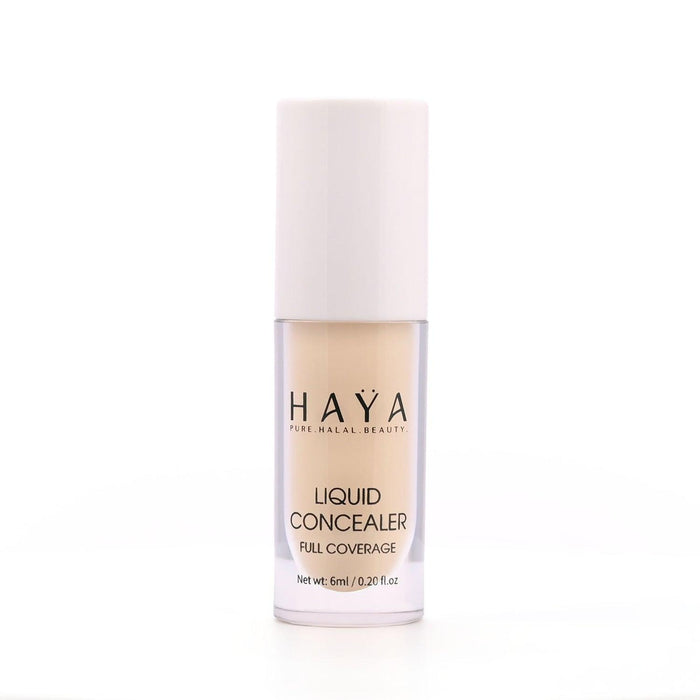
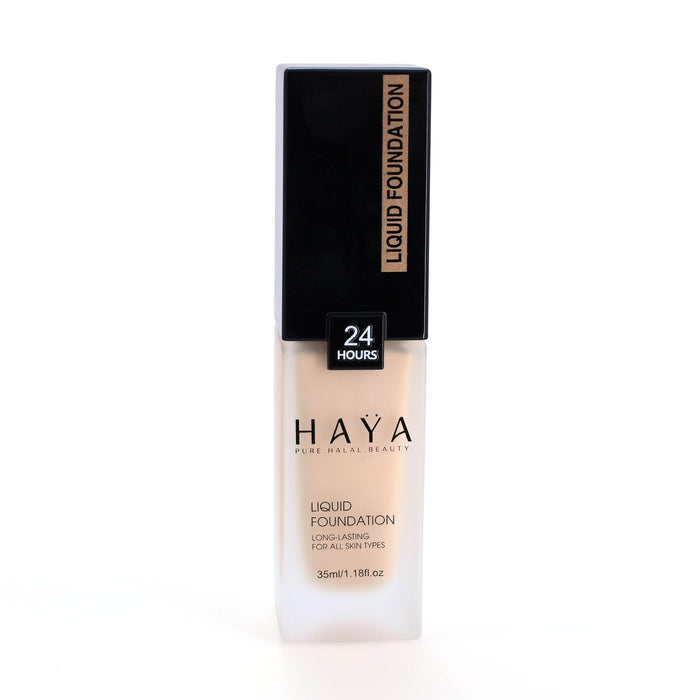
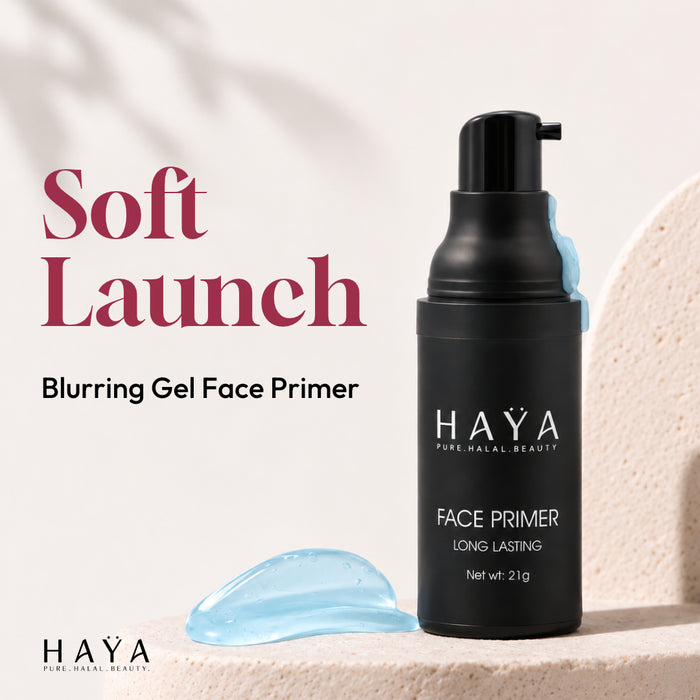
Ready to crack your own case? Prep with the face primer from HAYA Beauty, even things out with the liquid foundation, and finish with the liquid concealer for skin that looks well-rested. It's all clean, cruelty-free and halal-certified, so you can cover up without cutting corners.
Frequently Asked Questions
Should concealer go on before or after foundation
Usually after, so you use less and can see exactly where you still need coverage. Color correctors are the exception and go on first.
How long does liquid concealer last once opened?
The FDA doesn't require expiration dates on cosmetics, and products used near the eyes have shorter shelf lives because of infection risk. If yours smells off, separates, or changes texture, toss it.
Do I need a different concealer shade in summer?
Often, yes. Lau points out that wearing your winter shade over a tan is a common slip, so many people keep two shades on hand.
How do I find my undertone?
Check your wrist in daylight. Turle says green-looking veins usually mean warm, blue means cool, and a mix means neutral.
Can concealer replace foundation?
On low-key days, absolutely. Stiles suggests a more emollient, radiant formula over a heavy matte one when you skip foundation, so it blends like skin.
Sources
- 12 Concealer Hacks That Makeup Artists Swear By - A Who What Wear article on easy concealer hacks by professional makeup artists.
- Dark Circles Under Eyes - A Mayo Clinic article all about dark circles under the eyes and how to deal with them.
- The 12 Best Concealers for Acne - A Marie Claire article all about concealers for different skin types and concerns.
- I Have Acne! Is It Okay to Wear Makeup? - An American Academy of Dermatology on how to wear makeup with acne.
- Survey Says Green and Yellow Can Hide the Facial Redness of Rosacea - A National Rosacea Society survey on which color concealers work on skin redness.
- Green Makeup Can Help Mask Rosacea's Redness - A National Rosacea Society article on how to use green concealer on skin with rosacea.
- Shelf Life and Expiration Dating of Cosmetics - A U.S. Food and Drug Administration on makeup expiry.