How to Layer Primer, Foundation & Concealer for All-Day Wear

The fix doesn't take more makeup or more time in front of the mirror. It takes the right sequence and roughly a minute of patience between layers. Think of it as the 60-second rule. Once your base gets that breathing room, it holds through school runs, back-to-back meetings, and long days in the sun.
You spent twenty minutes on your base this morning, and by lunch it's sliding off your nose and settling into the lines under your eyes. Sound familiar? The problem usually isn't your products. It's the order you apply them in and how quickly you rush from one step to the next.
The fix doesn't take more makeup or more time in front of the mirror. It takes the right sequence and roughly a minute of patience between layers. Think of it as the 60-second rule. Once your base gets that breathing room, it holds through school runs, back-to-back meetings, and long days in the sun.
|
Key Summary
|
What Is the Right Primer Foundation Concealer Layering Order?
For most people on most days, the order is simple. Start with skincare and sunscreen, then primer, then foundation, then concealer, and finish with powder or setting spray. Makeup artists interviewed by Allure agree that foundation goes on before concealer, because foundation evens out your overall tone first and leaves you needing far less concealer afterward.
So, primer before or after foundation? Always before. Primer is the grip layer that everything else sits on, and makeup artist Adam Sidwell calls it "the ultimate insurance policy" for keeping makeup intact all day. The step almost everyone skips is the pause. Dermatologist Shari Marchbein, MD, explained to Allure that giving products about a minute between layers helps stop them from pilling.
Why Your Base Fades Before Lunch
When foundation slides, creases, or flakes by midday, one of three habits is usually behind it. The good news is that each one is easy to change.
You're Not Waiting Between Layers
Pilling happens when you add a fresh product on top of one that hasn't dried yet. The damp layer underneath lifts and rolls into tiny crumbs as you blend. A minute between steps feels like nothing, but it's often the difference between smooth skin and a patchy finish.
Your Formulas Don't Get Along
Mixing silicone-based and water-based primers and foundations is one of the most common mistakes, according to makeup artist Aya Tariq in TODAY. When the bases clash, your foundation can flake and separate no matter how carefully you blend. As Tariq puts it, "Silicone and water don't like each other." Check the base of each product before you pair them.
You're Using Too Much Product
Thick layers have more to lose. Makeup artist Sage Adi says overdoing foundation is a common mistake that makes makeup look cakey, and heavy coverage tends to crack and slip as your skin moves through the day. Less product, applied with intention, simply lasts longer.
The Step-by-Step Layering Sequence
Here's the full makeup layering order for long wear, with the details that make each step stick.
Step 1: Prep Your Skin and Let SPF Settle
Cleanse, moisturize, and finish with a lightweight sunscreen, which is the prep the Allure experts recommend before any primer goes on. Then pause. If your moisturizer is rich, give it longer than a minute so it sinks in fully instead of mixing with your makeup.
Step 2: Apply Primer Only Where You Need It
A dime-sized drop is enough for your whole face. New York makeup artist Maya René likes to apply primer with her fingertips, but she switches to a flat synthetic brush for silicone-based formulas, which can be harder to spread evenly by hand. Focus on the areas where your makeup usually breaks down first, like your nose, forehead, and chin.
Matching Primer to Your Skin Type
Pick a primer for the problem you actually have. Silicone primers are usually mattifying, which suits oily T-zones, while hydrating primers suit dry or tight skin. Blurring, radiance-boosting,g and color-correcting formulas are worth a look if texture, dullness, or redness is your main concern.
Step 3: Build Foundation in Thin Layers
Instead of spreading foundation everywhere at once, Adi suggests dabbing it onto the spots and textured areas you want to cover, blending it out there first, then adding one more pump only if you still need it. Tariq recommends letting that first layer sit for a while before you decide whether to add more.
Step 4: Add Concealer Last
This is the heart of how to layer foundation and concealer. Makeup artist Tim Pagan suggests building concealer up gradually over blended foundation, since it's thicker and less forgiving. Makeup artist Lisa Eldridge uses only a little, right where she wants to brighten, and keeps the edges rough instead of drawing a neat circle so it blends seamlessly.
When Concealer Should Go First
There is one exception to this foundation and concealer layering technique. If you're color correcting dark circles or discoloration, or trying the underpainting method, correcting comes before anything else. Makeup artist Mary Phillips, known for her underpainting technique, places corrective and sculpting products under a sheer layer of foundation, as she explained to Marie Claire. For a detailed guide on how to apply concealer to hide your dark circles, redness or blemishes, read here.
Step 5: Set Everything in Place
Makeup artist Caitlyn Dominic says setting powder under the eyes and across the T-zone can really extend wear, and she prefers a small brush over a large powder brush for this job. Finish with a light mist of setting spray, which Sidwell says melts the layers together for a longer-lasting finish.
How Long to Wait Between Each Layer
Here's the 60-second rule in action. Use these timings as a starting point and adjust for your climate and formulas. The Allure writer who reported on pilling waits five to 10 minutes after her full skincare routine before starting her base, so rich creams may need more time.
|
Layer |
Wait before the next step |
How to tell it's ready |
|
Moisturizer and sunscreen |
About 1 minute, longer for rich creams |
Skin feels smooth rather than slippery or wet |
|
Primer |
About 1 minute |
Surface looks even with no wet shine |
|
Foundation |
About 1 minute |
Product has stopped moving and looks evenly blended |
|
Concealer |
About 1 minute |
Edges are blended and no longer feel damp |
|
Powder and setting spray |
Until fully dry |
Spray has dried naturally, so pin your hijab after this point |
Which Tools Work Best for Each Layer
Your tools change how much product lands on your skin and how well it stays there. Makeup artist Samantha Gencarelli uses a buffing brush for fuller coverage and a damp sponge for a softer, more skin-like finish.
|
Tool |
Best for |
Finish |
Pro tip |
|
Fingertips |
Primer, natural concealer |
Soft and skin-like |
Warm the product between your fingers and press it in |
|
Flat synthetic brush |
Silicone-based primers |
Smooth and even |
Spreads thicker textures that fingers can drag |
|
Dense flat-top or buffing brush |
Liquid foundation |
Fuller coverage, more control |
Buff in small sections from the center outward |
|
Damp sponge |
Pressing in foundation and removing streaks |
Natural and blurred |
Use with care on silicone formulas |
|
Small fluffy brush |
Concealer for full glam, setting powder |
Precise |
Targets under-eyes without dulling your whole face |
One caution on sponges. Bridal makeup artist Christine Cormier warns that adding water to a product that doesn't work well with water can make it break up and separate, so check your foundation's base before you dampen that sponge.
How to Build a Base That Works Together
Think of your primer, foundation, and concealer as one team rather than three separate purchases. Match their bases first, then layer creams and liquids before powders. Makeup artist Celia Burton notes that switching from cream to powder and back to cream again can create a paste-like layer that looks cakey and artificial.
It also helps to pick formulas built for long wear and to stay consistent with your values. If certifications like halal or cruelty-free matter to you, check that every product in your base carries them, not just one. A stack you trust is a stack you'll actually use every day.
How to Keep Your Base Intact Under a Hijab

Your hijab and underscarf sit against your forehead, temples, and jawline all day, and that constant friction can lift foundation right off. Keep your base extra thin along the hairline and jaw, then press powder into those zones the same way you set your T-zone.
Let your setting spray dry completely before you pin your scarf, and try to avoid touching or adjusting it along your face for the first few minutes. If you get shiny later, artists in TODAY suggest dabbing with blotting papers rather than piling on more powder.
Final Thoughts
All-day wear isn't about buying the most expensive foundation. It's about layering in the right order, choosing formulas that work together, and giving each step about 60 seconds to settle. Try the full sequence for a week and notice how much less you need to touch up by evening.
Build Your All-Day Base With HAYA Beauty
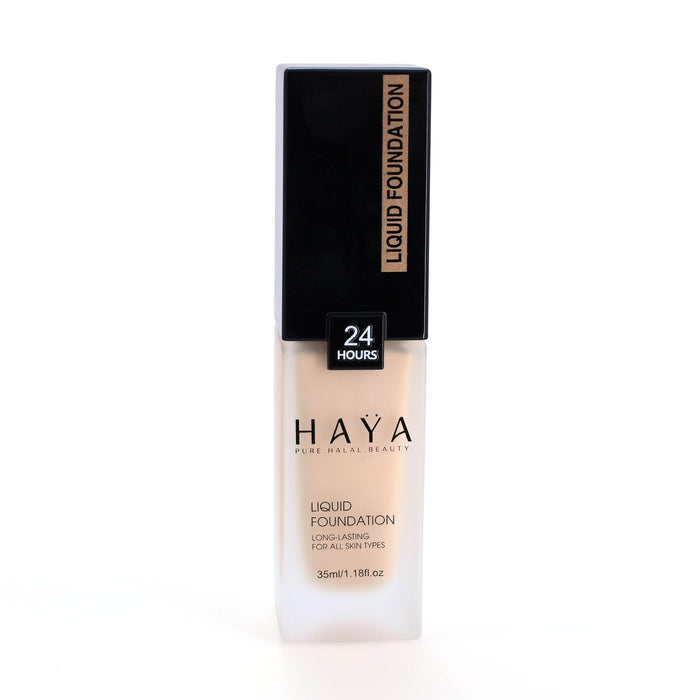
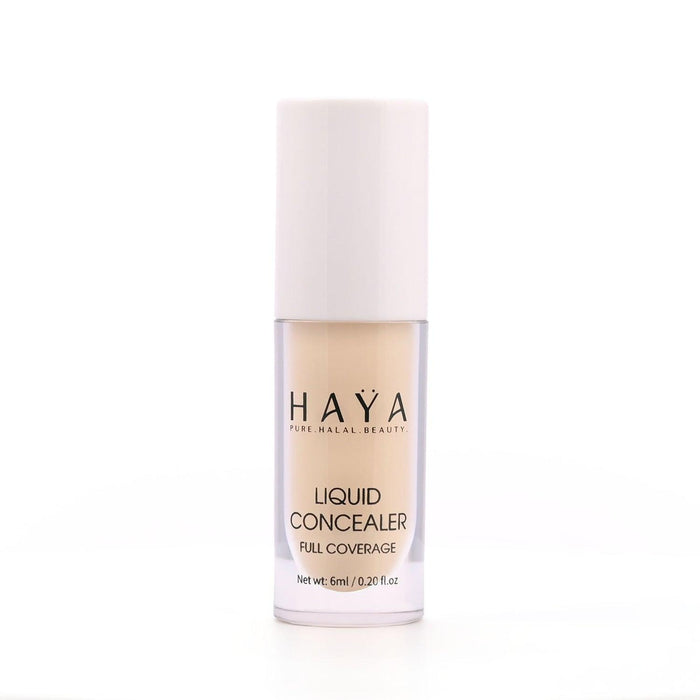
If you're putting together an all-day makeup routine with halal products, the HAYA Beauty face collection is designed to work as a team. Start with the face primer to smooth and grip, follow with the liquid foundation for an even, buildable base, and finish with the liquid concealer wherever you want a little extra brightness or coverage. Every formula is halal-certified, cruelty-free, clean, and non-toxic, so you can follow the 60-second rule with products you feel good about from morning to night.
Frequently Asked Questions
Can you skip primer on light makeup days?
Yes. If you're only wearing concealer or a skin tint, a good moisturizer and sunscreen can be enough, so save primer for long days when wear time matters most.
Can you mix primer and foundation together?
You can. Makeup school instructors interviewed by TODAY mix primer into cream foundation to sheer out the coverage while keeping its staying power.
How should you test a new foundation before a big event?
Tariq suggests wearing it on a day you can spend at home first, so you can see how it holds up over several hours before trusting it for a wedding or Eid.
Do you need two different concealers?
It helps. Eldridge's advice is to keep a slightly warmer, hydrating shade to cancel discoloration and a lighter, creamy satin shade to brighten areas like your under-eyes.
How do you refresh your base after wudu without starting over?
Pat your face dry with a soft towel instead of rubbing, wait until your skin is fully dry, then press a thin layer of concealer and powder only where your base has faded.
Sources
- Is There a "Right" Order for Applying Your Makeup Products? - An Allure article with expert advice on how to apply face products in the correct order.
- How to Layer Skin Care and Makeup Without It Pilling Up - An Allure blog with advice from professional makeup artists on how to layer makeup without letting it pill.
- The Best Long-Lasting Foundations for All-Day Wear, According to Makeup Artists and Editors - A breakdown by TODAY’s makeup artists on how to choose long-wear foundations.
- How to Contour Like a Professional Makeup Artist for a Natural-Looking, Sculpted Complexion - A Marie Claire blog on contour tips from experts.
- 19 Celebrity Makeup Artist Secrets for Long-Lasting Wear - A TODAY article on how to increase the wear time of makeup with tips from professionals.
- How to Apply Makeup: 6 Makeup Tips From Professionals - A primer from TODAY’s makeup experts with basic makeup tips